


The U.S. Senate has recently passed a new Russia sanctions package that includes provisions allowing for tariffs of up to 100% on countries importing Russian oil, notably China and India. Vietnam Energy Magazine has compiled and analyzed the oil and gas import volumes of China and India, as well as the importance of Russian oil and gas supplies to these two economies.
During the first half of 2026, Russia remained China’s largest crude oil supplier. Earlier, in 2023, Russia overtook major Middle Eastern oil producers to become China’s leading source of crude imports.
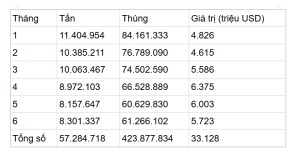
Table 1. China’s Oil Imports from Russia in the First Half of 2026: Volume and Value
Source: China Customs
Compared with the US$50 billion that China spent to import around 100 million tonnes of Russian crude oil in 2025, the value of imports is likely to increase in 2026 even if import volumes remain broadly unchanged. This is mainly because the Iran war has pushed up global oil prices, consequently driving up the price of Russian crude.
China imported a total of 248 million tonnes of crude oil in the first half of 2026. Russian crude accounted for approximately 23% of China’s total crude oil imports, representing a relatively high share.
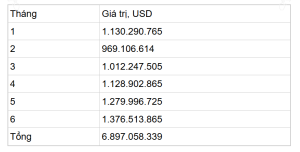
In 2025, China imported US$13.5 billion worth of gas from Russia, including LPG, natural gas delivered via the Power of Siberia pipeline, and liquefied natural gas (LNG). In the first half of 2026, the value of China’s gas imports from Russia reached US$6.897 billion. China does not provide a breakdown by gas type; estimates indicate that natural gas accounted for approximately one-third of the total value of gas imports from Russia.
The Power of Siberia pipeline has an annual capacity of approximately 61 billion cubic meters (bcm).
Table 2. Value of Different Types of Gas Imported by China from Russia in the First Half of 2026
Source: China Customs
Compared with China’s total natural gas import value of US$34.7 billion in the first half of 2026, imports from Russia accounted for approximately 19.9%, representing a relatively significant share.
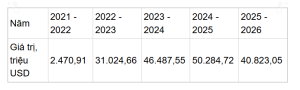
In fiscal year 2025–2026, India imported US$40.823 billion worth of crude oil from Russia, less than half the value imported by China. However, Russian crude accounted for approximately 30% of India’s total crude oil import value, representing a substantial share of the country’s oil imports.
Table 3. Value of India’s Crude Oil Imports from Russia
Source: Statistics from the Department of Commerce, Government of India (DGCIS).
India sharply increased its crude oil imports from Russia following the outbreak of the Russia–Ukraine conflict, with import value rising from US$2.47 billion in FY2021–2022 to US$31.02 billion in FY2022–2023—an increase of more than tenfold.
Due to the geographical distance, India’s imports of natural gas from Russia are relatively insignificant.
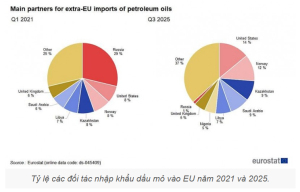
The oil and gas import trends of China and India can be compared with those of the EU. Since the outbreak of the Russia–Ukraine conflict, EU countries have significantly reduced their imports of Russian oil. Russia’s share of the EU’s petroleum oil imports fell from 29% in the first quarter of 2021 to just 1% in the fourth quarter of 2025
In terms of natural gas, the EU has also significantly reduced its dependence on Russia, with Russia’s share falling from 45% in 2021 to 16% in 2025. For liquefied natural gas (LNG), Russia remains an important supplier, although its share declined from 21% to 16% over the same period.
China is a major trading partner of the United States. In the first half of 2026, China exported US$129 billion worth of goods to the United States and imported US$55 billion from the United States. On a smaller scale, India exported US$49 billion worth of goods to the United States and imported US$26 billion. Both countries recorded trade surpluses in goods with the United States.
Thus, both China and India import large volumes of Russian crude oil while also being major trading partners of the United States. If the U.S. were to impose 100% tariffs on goods from countries that purchase Russian oil, both countries would likely respond strongly, potentially including retaliatory measures. Such a move could further escalate already strained trade relations between China and the United States.
Implications for Vietnam:
Regarding trade: Vietnam needs to avoid trade tensions with the United States, as in the first half of 2026, Vietnam exported as much as US$123 billion worth of goods to the U.S., while imports from the U.S. amounted to only US$9 billion. With an export-import imbalance far greater than that of China and India, even minor developments could reduce access to the export market, causing losses for exporting businesses and affecting the economy’s overall growth targets.
Regarding energy and fuel: As Vietnam has only two refineries with clearly defined crude oil sources, the country has not had an opportunity to import Russian crude oil. Urals crude is not fully compatible with either the Dung Quat Refinery or the Nghi Son Refinery and can only be blended at a certain proportion into their feedstock. Therefore, Vietnam has never imported Russian crude oil, either before or after the Russia–Ukraine conflict.
Vietnam has also considered importing liquefied natural gas (LNG) from Russia; however, given the relatively small volumes involved, no LNG purchase agreement has been signed to date.
In the long term, climate change could make Russia’s Northern Sea Route an increasingly important oil and gas transportation route to Asia. In that context, Russian crude oil and liquefied natural gas could play a significant role not only for China and India, but also for other Asian countries, including Vietnam.
According to the Editorial Board of Vietnam Energy Magazine
Source: Năng lượng Việt Nam